Thomas Richter Director · Writer · Editor · Producer
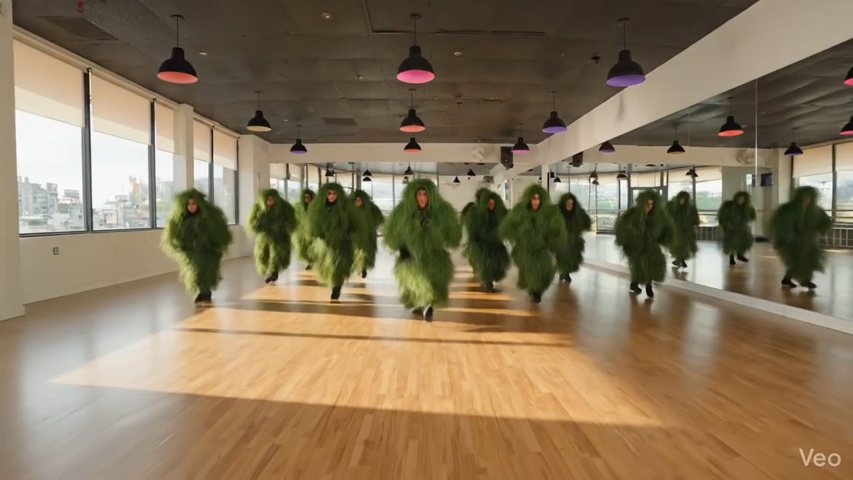
Thomas’ latest work for hangar developer PlaneCave, “Zombies,” was created entirely with AI over only three days. A client that could never have paid for a traditional shoot now puts out work with high production value. While the tools change, the principles of storytelling stay the same.
Los Angeles · DGA commercial director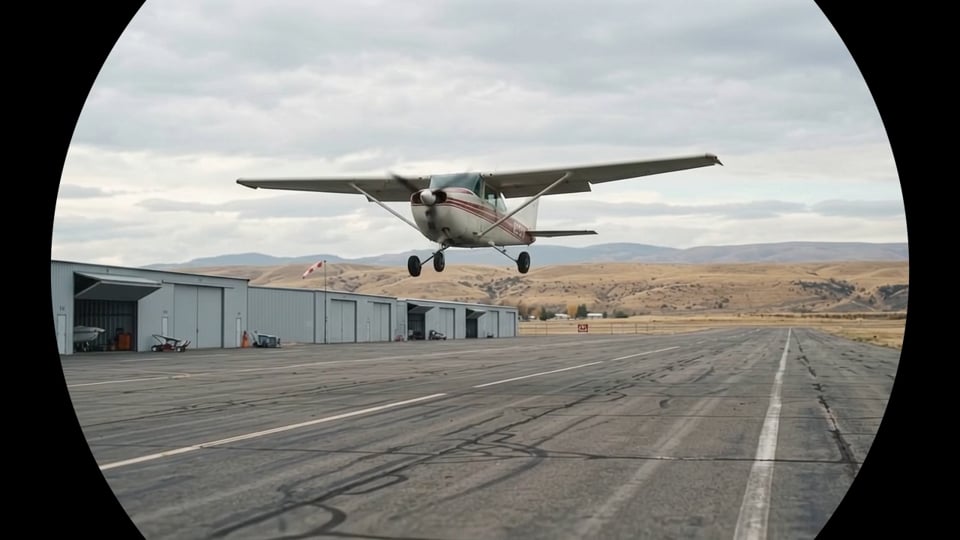
Work
80 projects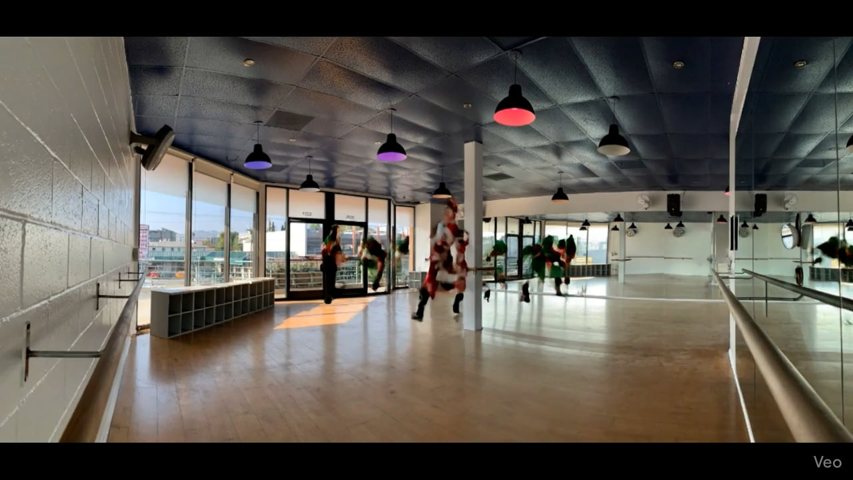



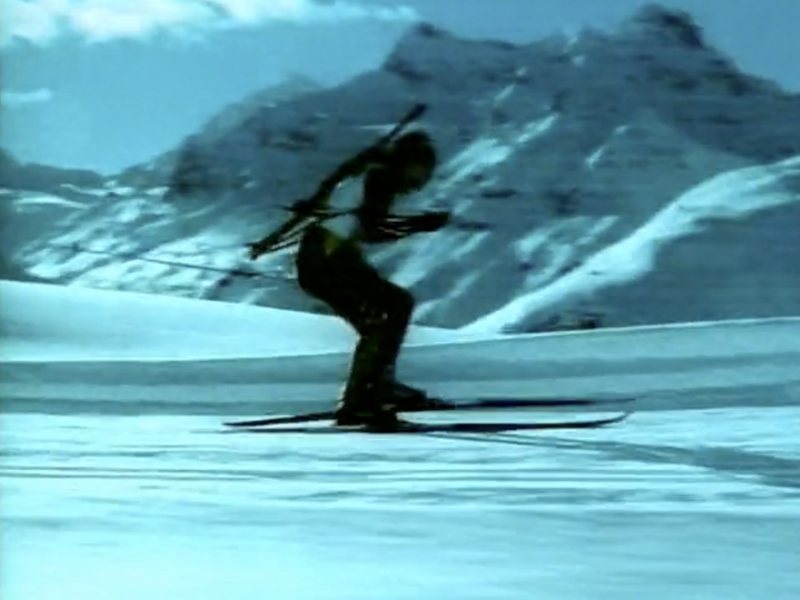
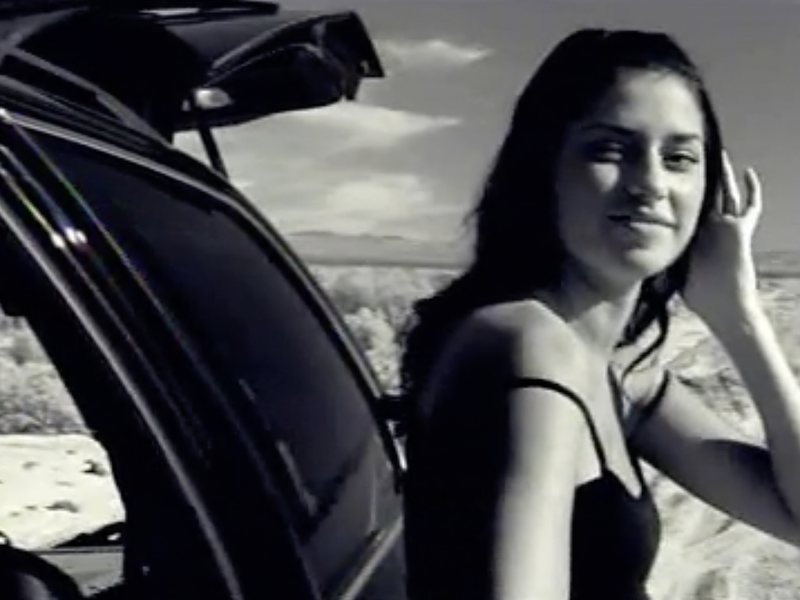
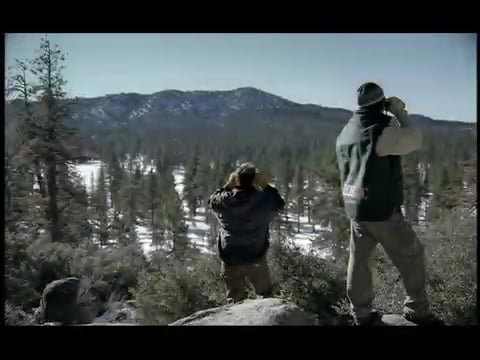
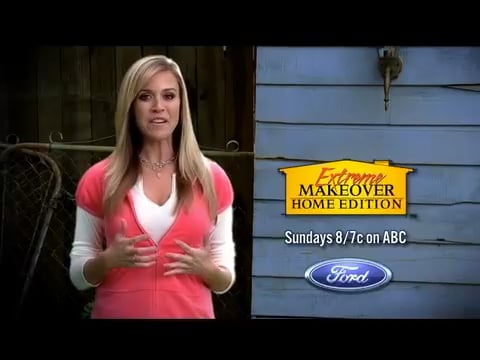

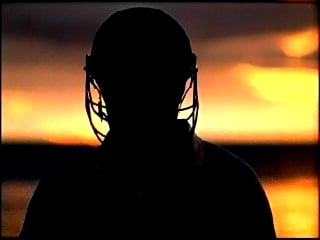
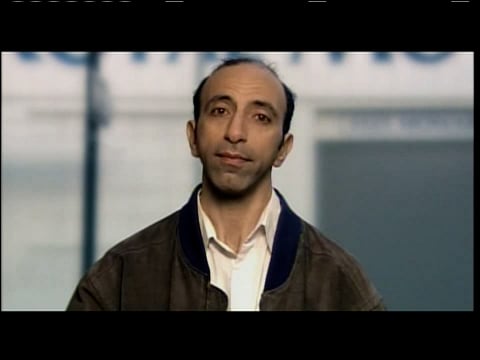
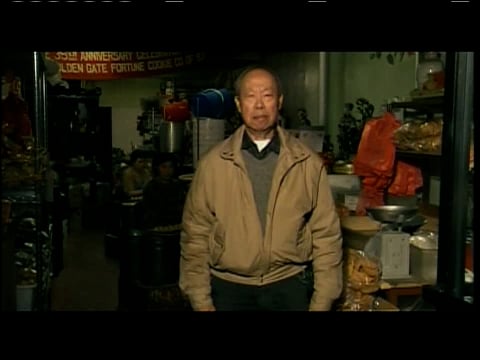
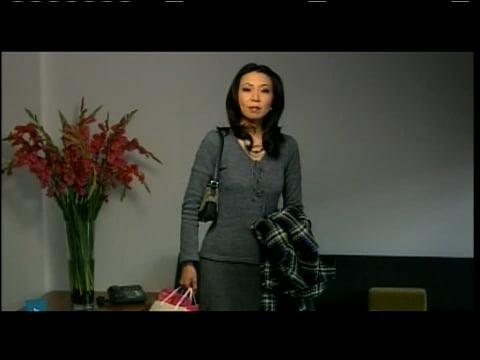



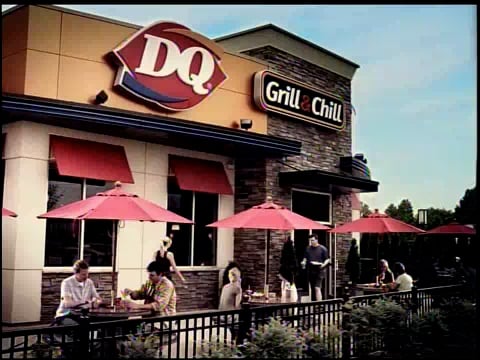

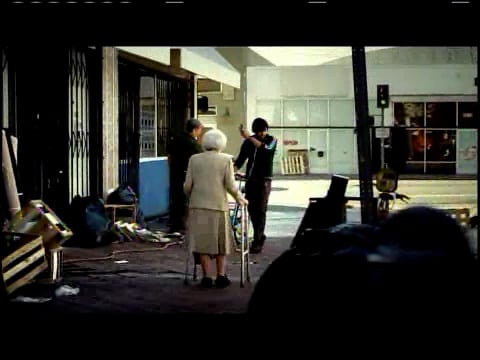
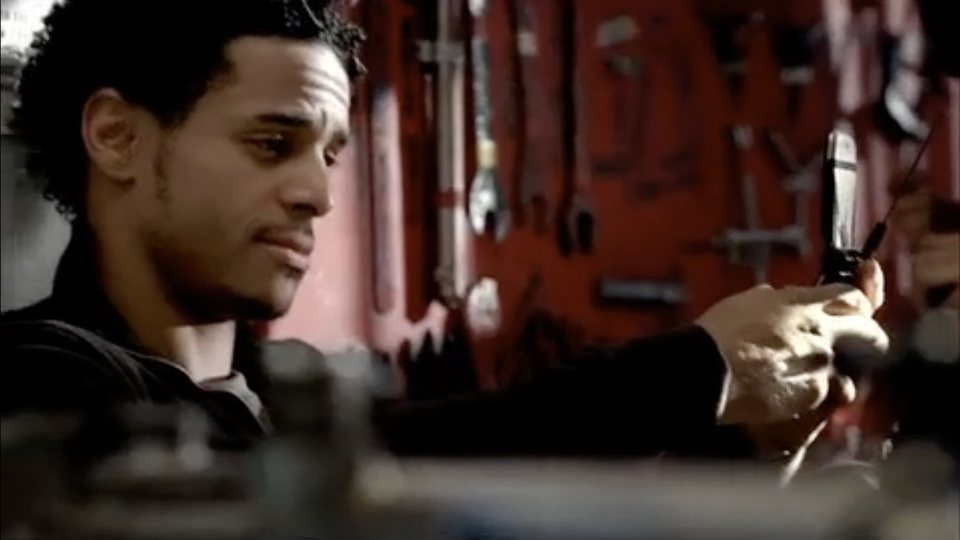
Clients
Selected brands, teams & studiosAbout
In conversationHow did you get into film?
I grew up in Germany, next to a Steenbeck. My mother was a film editor who cut documentaries and television, and the 16mm flatbed table at home is where I first learned how a story gets built, one cut at a time.
How did you learn the craft?
I paid my way through college as a freelance sound editor, cutting dialogue. Then I graduated from ArtCenter College of Design with a B.F.A. with Honors in Film. Dialogue editing taught me timing, and timing is everything in comedy.
Where have you worked?
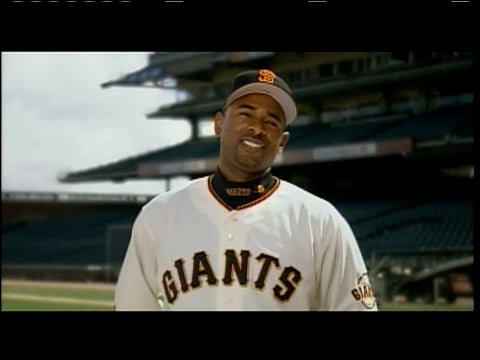
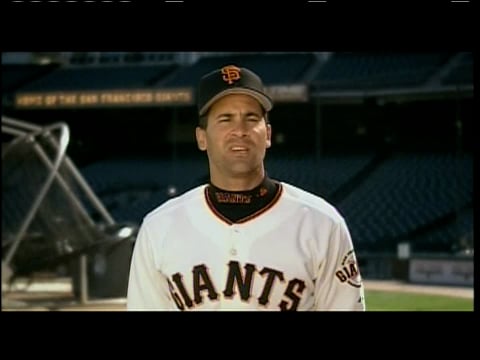
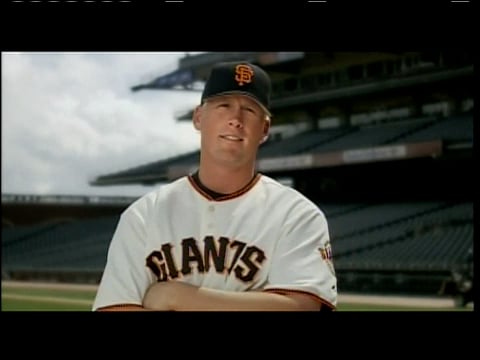
All over: the U.S., the U.K. and Canada, and also Germany, Austria, Switzerland, France, Italy, Spain, Russia, Ukraine and South Africa. For the last 20 years I've been a DGA commercial director based in Los Angeles, with more than 100 commercial, branded and digital projects for clients like Lexus, PUMA, the San Francisco Giants and Sony PlayStation.
What kind of work do you do best?
Comedy, dialogue and storytelling. And I like working with people: actors, crews, agency teams and clients. Whether it's a :30 spot or a campaign like the UNHCR / UNICEF films I shot in Kosovo, which aired in more than 50 countries and 23 languages, it comes down to characters and a story people want to watch. I also wrote a book about it: The 30-Second Storyteller: The Art and Business of Directing Commercials.
Do you work on the brand side too?
Yes. I've done brand development for several companies and seen campaigns through from inception to release. I led marketing and creative for the action-sports brand Loaded Boards, and I founded eMotionCam, an HD helmet-camera rental business, where I built the brand and ran its digital campaigns. So I think about the whole campaign, not just the spot.
Why do you still edit your own work?
Because the film is really made in the cut. Even when I don't cut, I collaborate closely with the editor. I know every part of post-production, from Avid, Premiere, Final Cut and DaVinci to the sound tools I started on, so I can carry a project from the first idea through the shoot to final delivery.
Where does AI fit in?
It's another set of tools, and I use all of them: Higgsfield, Runway, Veo, Flow, Claude and ChatGPT. My PlaneCave spot "Zombies" was made entirely with AI in three days, for a client that could never have paid for a traditional shoot. The tools change. The principles of storytelling don't.
- Directing
- Comedy, dialogue, storytelling, performance and interviews
- Production
- Cinematography, lighting, production audio, crew and vendor management
- Editing
- Avid, Premiere Pro, Final Cut Pro, DaVinci Resolve, After Effects, Photoshop; color and finishing
- Sound
- Dialogue editing, sound design and mixing; Pro Tools and other audio software
- Generative AI
- Higgsfield, Runway, Google Veo and Flow, Suno, Claude, ChatGPT
- Awards
- 40+, including a Bronze Andy, Double Gold Belding, Montreux Golden Award, Silver Hugo, Cannes nominations and the ITVA Platinum Award of Excellence
- Training
- ArtCenter College of Design, B.F.A. with Honors in Film
- Based
- Los Angeles. Has directed across North America, Europe and Africa.